
Transforming a residential backyard into a practical, beautiful outdoor living space is one of the most rewarding home improvement projects you can undertake. Whether your goal is to create an energetic hub for summer family gatherings, a serene personal sanctuary for evening relaxation, or a high-value outdoor entertainment zone, the decisions you make early in the process will dictate how much you enjoy the space for years to come.
This guide walks you through a practical framework to help you evaluate your space, select the right amenities, work with qualified trade professionals, and protect your long-term investment.
Phase 1: Evaluating Your Space, Budget, and Terrain
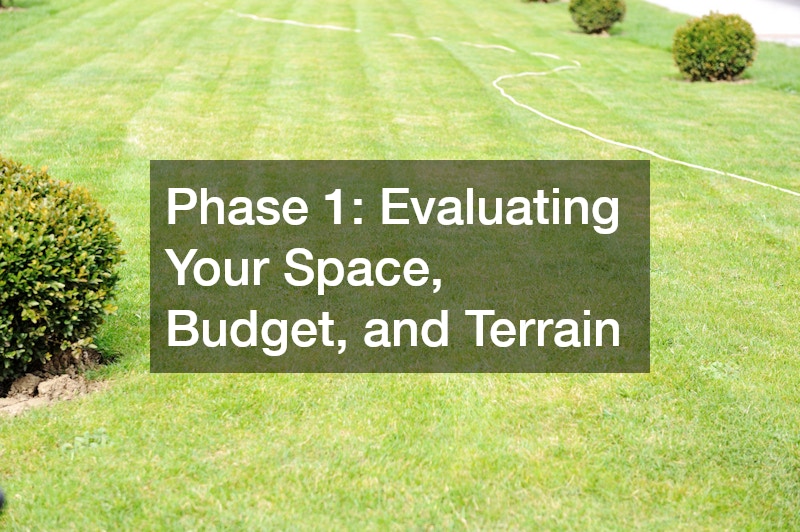
Before falling in love with specific features, you need to understand the physical reality of your property. Total square footage rarely equals usable square footage. Every municipality enforces specific property setback rules—minimum distances that structures must remain from property lines, fences, and utility easements.
To map out your true building footprint, consider these critical site factors:
- Property Setbacks and Easements: Check your property survey to identify underground utility lines, drainage paths, and municipal boundary restrictions.
- Sun and Shade Patterns: Track how natural sunlight moves across your yard throughout the day to determine optimal placement for lounging areas versus shaded dining zones.
- Grade and Slope Variations: Notice how your yard sloped. Significant grade changes require retaining walls or custom terracing, which adds to site preparation costs.
- Microclimates: Pay attention to natural wind corridors created by nearby structures or trees, as well as areas where low-lying ground tends to trap moisture.
A helpful tip for visualizing your space is to use physical markers directly on your lawn. Lay out garden hoses, stake string lines, or use brightly colored turf spray paint to draw out the exact footprints of proposed structures at full scale. Walk through these temporary boundaries to test how natural traffic flows from your indoor back door through the primary backyard pathways.
Every backyard amenity carries two distinct price tags: the cost to build it today and the cost to maintain, power, and service it over its lifespan. Balancing upfront capital with long-term durability prevents budget shock down the road.
Site preparation is often the biggest variable in construction costs. Hard rock layers, wet or unstable soil, or tight access points that prevent heavy machinery from entering the yard can increase labor and equipment expenses before any actual building begins. When evaluating water features, homeowners must choose between structural longevity and initial affordability. For instance, temporary or modular above-ground pools offer a significantly lower upfront barrier to entry, making them an appealing choice for families seeking immediate seasonal recreation without committing to massive site excavation or permanent real estate modifications.
However, if your primary goal is long-term property appreciation and permanent architectural integration, spending more upfront for custom reinforced structures may yield higher satisfaction and lasting property value over a ten-year horizon.
A standalone amenity—whether a water feature, an outdoor kitchen, or a fire pit—looks disconnected if it is not grounded by thoughtfully planned hardscaping. Surrounding patios, walkways, and decking act as the glue that binds individual amenities into a cohesive outdoor living environment.
Planning these structural foundations early ensures that traffic moves naturally between your indoor living space and outdoor recreation zones. Connecting with a skilled patio builder early in your design phase allows you to address technical ground-level details, including:
- Sub-base compaction and gravel depth to prevent seasonal settling or paver shifting.
- Surface grading is designed to slope away from home foundations and primary recreation zones.
- Material selection that offers high slip resistance when wet without overheating under direct summer sunlight.
- Integrated perimeter drainage channels to manage storm runoff smoothly.
Phase 2: Selecting the Right Water Features & Contractors
Water amenities are among the most impactful additions you can make to a backyard, but they are not one-size-fits-all. Designing an effective aquatic feature requires a clear-eyed assessment of your household’s daily habits, age groups, and long-term entertainment style.
Consider these primary functional profiles:
- Family Play and Recreation: Prioritize wide, shallow entries, built-in bench seating, durable interior finishes, and broad pool deck aprons for lounge chairs and safety oversight.
- Fitness and Exercise: Focus on linear length, consistent depth profiles, clear lap corridors, and smooth wall edges that accommodate lap swimming or aquatic therapy.
- Relaxation and Socializing: Emphasize compact footprints, deep plunge zones, integrated perimeter seating, and spillover spa combinations that focus on ambient sound and physical comfort.
Understanding these functional requirements helps narrow down shape, depth, and entry options before you ever meet with a construction designer, keeping your focus anchored on utility rather than pure visual flair.
The quality of a major backyard feature relies entirely on the expertise of the crew assembling it underground. Because structural earthwork and plumbing involve substantial technical risks, finding and vetting tradespeople requires careful diligence.
When searching for a qualified in-ground pool contractor, do not rely solely on online promotional galleries or superficial review star ratings. Request a portfolio of completed projects built in your immediate neighborhood that are at least three to five years old. This allows you to evaluate how their structural work and surface finishes hold up against local weather patterns and soil conditions over time. Verify active state licenses, demand proof of comprehensive general liability and workers’ compensation insurance, and ask for a detailed reference list of recent clients whom you can call directly.
Major outdoor construction requires coordination across multiple trades, including excavators, steel fixers, plumbers, electricians, and concrete specialists. A lack of clear contractual boundaries often leads to project delays, scope creep, and unexpected cost overruns.
Before work commences, partner with a reputable swimming pool builder to draft an explicit, itemized contract that breaks the project into distinct execution stages:
- Site Preparation and Excavation: Defining soil removal responsibilities, utility line protection, and access route restoration.
- Structural Shell Framing: Specifying steel rebar schedules, concrete strength ratings, and shell thickness standards.
- Plumbing and Mechanical Infrastructure: Outlining pipe diameters, pump hydraulic ratings, and filtration equipment specifications.
- Finishes and Final Commissioning: Detailing interior plaster or tile materials, coping stone specs, and final safety code compliance checks.
Ensure that payment schedules are strictly tied to verified completion milestones rather than calendar dates, giving you leverage to confirm that every phase passes local municipal inspections before funds are released.
Phase 3: Designing for Cohesion, Flow, and Aesthetics
One of the most common design mistakes in outdoor transformations is treating the backyard as an isolated environment, completely separate from the house. A truly well-designed outdoor space feels like a natural architectural extension of your interior living room, sharing visual language, color temperature, and material accents.
To achieve this harmony, look at the exterior finishes of your home—such as brick colors, exterior trim paint, stone facades, or roofing materials—and echo those elements across your backyard amenities. Apply thoughtful pool design strategies, such as selecting interior finish water hues that complement your home’s exterior paint palette or choosing stone coping that matches existing patio pavers. Integrating subtle water features, such as sheer descent waterfalls or deck-level bubblers, introduces soothing acoustic masking that muffles nearby traffic noise while tying together disparate zones of the yard.
Building materials perform very differently depending on regional weather patterns. A building material or natural stone that performs flawlessly in a mild, dry environment may crack, flake, or degrade rapidly in a climate subject to heavy winter freeze-thaw cycles or high coastal humidity.
Consulting with an experienced local pool builder provides access to invaluable regional wisdom regarding material longevity and site performance. Local experts know:
- Which natural stones resist saltwater degradation if you choose a salt-chlorine generator system?
- How local clay or expansive soils exert hydrostatic pressure against buried structures, requiring specialized engineering or gravel backfill protocols.
- Which deck finishes stay cool to the touch during extreme summer heatwaves?
- How regional winter temperatures impact freeze-proofing strategies for outdoor plumbing and water lines.
Relying on local expertise ensures that your aesthetic selections are grounded in regional durability, saving you from expensive repairs or premature surface refinishing down the line.
Phase 4: Navigating Construction, Remodeling, and Installation
Once plans are approved and permits are issued, the physical construction phase begins. This phase is naturally disruptive, involving heavy machinery, noise, dirt, and significant foot traffic. Proper site preparation minimizes accidental property damage and keeps the construction timeline on track.
Take these proactive steps before heavy equipment arrives on site:
- Clear the Access Route: Ensure a minimum cleared path—typically eight to ten feet wide—from the front driveway to the backyard, trimming back trees or temporarily removing fence panels.
- Protect Underground Utilities: Ensure all public utility lines are marked out before any digging begins, and locate private irrigation, propane, or electrical lines.
- Secure Surrounding Property: Protect existing driveway paving or sidewalks with thick plywood sheets to distribute the heavy weight of dump trucks and excavators.
- Notify Neighbors: Inform adjacent homeowners about expected noise, dust, and work hours to maintain good relationships during the disruption.
Understanding the sequence of a typical pool installation helps you set realistic expectations for your project schedule. The process begins with heavy earthwork, followed by structural framing, plumbing and electrical line installation, concrete pouring or shell placement, surrounding hardscaping, and finally interior surface application and water filling.
If your backyard already features an existing water feature or hardscape that looks dated, worn, or mechanically inefficient, you do not always need to tear everything down to the ground. Structural renovation often provides a highly cost-effective way to transform an outdated space without paying for complete site re-excavation.
Engaging a specialized pool remodeling service allows you to modernize an aging facility through targeted upgrades, such as:
- Replacing worn, rough, or stained interior plaster with modern pebble aggregate finishes that offer superior longevity and rich color.
- Replacing outdated waterline tile with contemporary mosaic or natural stone patterns.
- Replacing old, noisy single-speed pumps with energy-efficient variable-speed units that dramatically reduce monthly electrical bills.
- Adding modern conveniences, such as automated water chemistry systems, color-changing LED lighting, or smartphone-controlled heating schedules.
- Reshaping or adding modern functional features, such as shallow tanning ledges, swim-up seating benches, or integrated spa steps.
Phase 5: Establishing Long-Term Maintenance & Water Chemistry Routine
The excitement of building new backyard amenities can fade quickly if daily upkeep becomes a frustrating chore. Establishing an efficient, automated maintenance routine early on protects your equipment investment and ensures your outdoor retreat remains clean, inviting, and ready for use atmoment’st’s notice.
To keep your workload manageable, establish a structured checklist for routine pool maintenance that spreads tasks logically across the season:
- Daily Tasks: Empty skimmer baskets and pump strainer baskets to preserve proper hydraulic suction and protect the pump motor from dry running.
- Weekly Tasks: Brush interior walls and step corners to dislodge bio-film, skim surface leaves, and test primary water sanitation levels.
- Monthly Tasks: Inspect filter operational pressure, clean filter cartridges or backwash sand filters when pressure gauges indicate restriction, and check mechanical seals for leaks.
- Seasonal Tasks: Deep-clean filter elements, inspect safety barriers and gate latches, lubricate mechanical O-rings, and clear surrounding drainage paths.
Investing in modern automated tools—such as robotic floor cleaners, automatic water levelers, and programmable variable-speed circulation pumps—greatly reduces manual labor, letting you enjoy your outdoor space instead of constantly servicing it.
Water chemistry is the foundation of long-term facility health. Unbalanced water nonstop damages every surface and mechanical component it touches. Water that is too acidic will slowly etch plaster, erode metal heat exchangers, and irritate bathers’ eyes and skin. Conversely, water that is too alkaline will cause mineral scale to form along tiles, turn the water cloudy, and render sanitizers ineffective.
Maintaining crystal-clear, safe water requires managing several key chemical metrics:
- Sanitizer Levels: Keeping free available chlorine or alternative sanitizers at consistent operational levels to kill bacteria and algae continuously.
- Total Alkalinity: Acting as a buffer for pH stability, preventing sudden water balance swings when heavy rain or high bather loads occur.
- Calcium Hardness: Maintaining proper dissolved calcium levels to prevent water from leaching minerals directly out of concrete plaster finishes.
- pH Balance: Keeping overall water acidity within the ideal, comfortable range of 7.2 to 7.6.
To maintain this delicate balance, keep an adequate supply of a reliable pH balancer for pools on hand. Regularly adjusting your pH level protects sensitive equipment from internal corrosion, prevents unsightly mineral scaling along waterlines, and ensures that sanitizing agents operate at maximum efficiency, providing a safe and comfortable environment for every swimmer.
Conclusion
Thoughtful investment and proactive planning ensure that your outdoor amenities deliver long-term value, exceptional comfort, and continuous enjoyment for your family and guests across every season. The key to success lies in taking a measured, step-by-step approach—ensuring that every decision made today enhances how you live outdoors tomorrow.