A yard can influence how a home looks, feels, and functions. Even when the interior of a property has been updated, an outdated or neglected outdoor space can make the entire property feel less inviting. Fortunately, giving a yard a fresh new look does not always require starting from scratch. Thoughtful improvements can refresh existing features while adding new elements that make the space more comfortable, attractive, and useful.
Whether you are planning a few small updates or a more extensive transformation, there are many ways to make a yard feel fresh without losing the character of the property. From adding functional outdoor spaces to maintaining existing features, these ideas can help you create an exterior that better suits your home and your lifestyle.
Explore Creative Ideas for Your Backyard
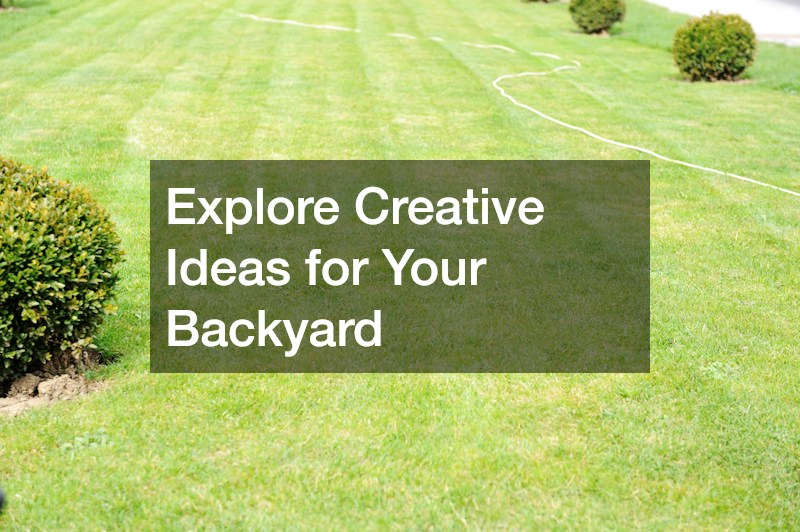
Refreshing a yard often begins with deciding what you want the finished space to accomplish. Instead of focusing only on individual plants or decorative features, think about the overall layout. Consider where you spend the most time outdoors, where you would like to entertain guests, and which areas currently feel underused.
Backyard designs can incorporate several distinct areas while maintaining a unified appearance. For example, a seating area can provide a comfortable place to relax, while a dining space can make outdoor meals more convenient. A garden area can add color and natural interest, and an open section of lawn can provide room for recreation.
Changes in elevation can also add dimension to a yard. Raised planting areas, retaining walls, steps, or strategically placed pathways can make a relatively simple property feel more dynamic. Curved walkways may create a softer appearance, while straight lines can provide a more structured, contemporary look.
Lighting is another consideration when planning an outdoor update. Path lights can make walkways easier to navigate after dark, while accent lighting can highlight trees, architectural features, or gathering areas. Seating, planters, decorative stones, and other details can then help complete the overall appearance.
Before making changes, take time to consider the size of the property and the scale of each feature. Oversized structures can overwhelm a small yard, while too many small elements can make a larger property feel cluttered. A balanced plan can help each feature have a purpose while still leaving enough open space.
Know When to Call a Professional
Some yard improvements are relatively straightforward, but larger projects can involve grading, drainage, structural considerations, plant selection, irrigation, and other technical factors. Knowing when to seek professional assistance can make the planning process more manageable and help prevent problems caused by improper installation.
A landscaping contractor can help develop a plan based on the property’s existing conditions and the homeowner’s goals. Professional assistance may be especially useful when multiple improvements need to be coordinated. For example, installing a patio, changing drainage patterns, adding planting areas, and updating a lawn may require decisions about how one project will affect another.
Professionals can also help identify potential challenges before work begins. Sloped areas may require additional planning, while compacted soil or poor drainage can affect plants and lawn health. Existing utility lines, mature trees, and property boundaries may also need to be considered before excavation or construction.
Working with a professional does not necessarily mean every part of the project has to be completed at once. A homeowner can discuss priorities and develop a plan that allows improvements to be completed in stages. This approach may make it easier to manage the project while creating a long-term vision for the property.
When evaluating professional services, homeowners should ask about the scope of work, materials, estimated timeline, and maintenance requirements. Clear communication can help everyone understand what the project will involve before work begins.
Keep Your Irrigation System Working Properly
Watering problems can quickly affect the appearance of a yard. Areas that receive too little water may become dry and stressed, while excessive watering can contribute to runoff, standing water, or other issues. Keeping the irrigation system in good working condition can help distribute water more consistently.
Regular lawn sprinkler maintenance can involve checking sprinkler heads, adjusting their direction, clearing obstructions, and looking for leaks or damaged components. Sprinkler heads can become misaligned over time, particularly if they are struck by lawn equipment or disturbed during other yard work.
It is also useful to observe the system while it is operating. Look for areas where water is spraying onto sidewalks, driveways, or other surfaces rather than the intended planting or lawn areas. Uneven coverage can sometimes indicate a clogged or damaged sprinkler head.
Seasonal inspections can provide an opportunity to identify issues before they become larger problems. In colder climates, irrigation systems may require preparation before freezing temperatures arrive. Homeowners should follow the recommendations for their specific system and climate.
An irrigation system should also be considered when making other changes to the yard. New planting beds, trees, structures, or hardscaping may change how water needs to be distributed. Adjusting the system after completing these projects can help prevent newly installed features from interfering with irrigation coverage.
Add Structure With Durable Hardscaping
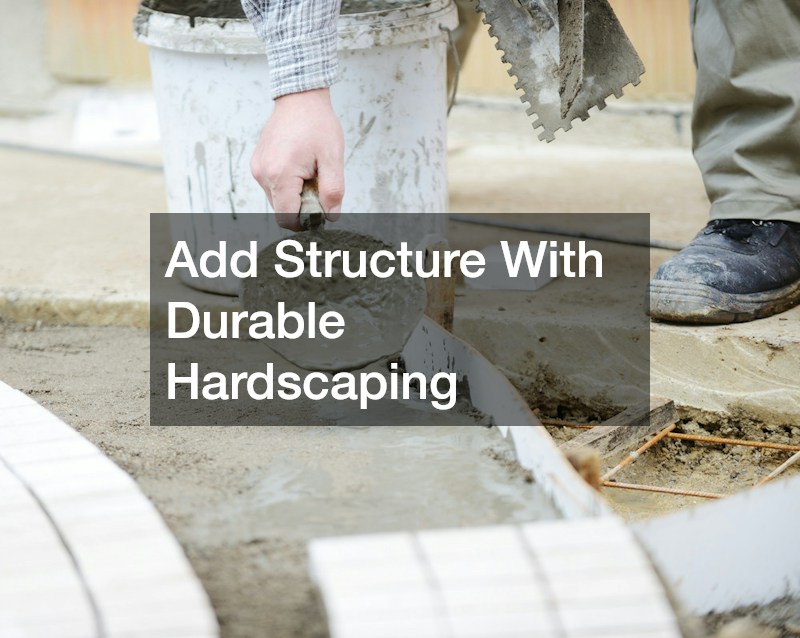
Hardscaping can provide structure and definition while making outdoor areas more functional. Patios, walkways, retaining walls, steps, borders, and other constructed features can create designated spaces and help connect different areas of the property.
Masonry services can be used for projects that incorporate materials such as brick, stone, concrete, or other masonry products. A new walkway, for instance, can create a clear route through the yard while contributing to the property’s overall appearance. A patio can provide a dedicated location for outdoor furniture, dining, or entertaining.
Retaining walls can also have both practical and visual purposes. On properties with slopes, they may help create usable areas at different elevations. Their design can be coordinated with other materials around the home so the finished project feels connected to the existing architecture.
When selecting hardscaping features, consider how they will interact with water drainage. Impermeable surfaces can change the way rainwater moves across a property, so proper planning is important. The location, slope, and drainage characteristics of the project should be evaluated before installation.
The appearance of hardscaping matters, too. Materials can be selected to complement the home’s exterior, existing walkways, fencing, or other outdoor features. Combining too many unrelated materials can make a yard look disconnected, while a limited material palette can create a more cohesive appearance.
Choose the Right Materials for Your Yard
The materials used throughout a yard can have a significant effect on both appearance and function. Before purchasing products, consider where each material will be used, how much exposure it will receive, and what level of maintenance it may require.
Landscaping supplies can include products for planting, soil preparation, lawn care, garden edging, decorative features, and other outdoor projects. Selecting materials based on the specific needs of the property can help prevent unnecessary purchases and ensure that each project has the appropriate components.
For planting areas, soil amendments and mulch may be useful depending on existing soil conditions and the needs of the plants. Decorative stone can create defined borders or provide a low-maintenance surface in selected areas. Edging can help separate lawns from planting beds and create cleaner visual lines.
Materials should also be selected with the local environment in mind. Sun exposure, rainfall, temperature changes, and soil conditions can all affect how outdoor materials perform. Products that work well in one setting may not be appropriate for another.
Homeowners should also consider how different materials will look together. Coordinating textures and colors can make individual projects feel like part of a larger design. If several improvements are planned over time, choosing a consistent material palette early can help create a more unified result.
Create Privacy and Define Your Property
A fence can do more than mark the edge of a property. Depending on its design and placement, it can create privacy, improve security, define outdoor rooms, and provide a backdrop for landscaping.
Fence installation should begin with careful planning. Property lines, local requirements, existing structures, and access points may all need to be considered before work begins. The intended purpose of the fence can also influence its height, material, and design.
For homeowners seeking privacy, a solid fence may provide a stronger visual barrier than a more open design. A decorative fence, on the other hand, can define a property without making the yard feel enclosed. Some properties may benefit from combining different fencing styles in different areas.
The surrounding landscape should also be considered. Plants can soften the appearance of a fence and make it feel more integrated into the yard. Trees, shrubs, and planting beds can be positioned near fencing when appropriate, provided their mature size and maintenance needs are considered.
A fence can also help divide a larger yard into functional areas. For example, a designated space for pets can be separated from gardens or entertaining areas. This type of organization can make the property easier to use without requiring major structural changes.
Extend Your Living Space Outdoors
Adding an outdoor living area can make a yard more useful throughout the warmer months. A well-planned deck can provide space for seating, dining, grilling, or simply enjoying the surrounding landscape.
Composite decks are one option for homeowners who want a deck surface designed for outdoor use with relatively consistent maintenance requirements. Composite materials are available in a variety of colors and appearances, allowing homeowners to select an option that complements the home.
When planning a deck, consider how much space is actually needed. A dining table requires enough room for chairs and movement, while a lounge area may need space for several pieces of furniture. Additional clearance may also be necessary around stairs, doors, grills, or other features.
The location of the deck is another important consideration. A deck positioned near the home’s main living areas can make carrying food and supplies outdoors more convenient. Views, sunlight, shade, privacy, and access to the yard may also influence placement.
The deck should be viewed as part of the larger outdoor environment. Plantings, lighting, fencing, pathways, and other features can help connect the deck to the rest of the property. Coordinating these elements can make the outdoor area feel intentional rather than like an isolated addition.
Plan a Deck That Fits Your Home
A deck should complement the home’s architecture while providing enough room for its intended uses. Choosing the right size, shape, materials, and features early in the process can help create an outdoor space that feels proportional to the property.
Deck builders can help homeowners evaluate the available space and develop a layout based on how the deck will be used. They can also address considerations such as stairs, railings, structural requirements, and connections to the home.
The shape of a deck can have a major effect on the appearance of both the structure and the yard. A simple rectangular deck may work well with a traditional floor plan, while a more customized shape can accommodate unusual property layouts or create separate activity areas.
Homeowners should also consider future needs. A deck that works for a small seating arrangement may feel crowded if the homeowner later adds a dining set, outdoor kitchen, or additional furniture. Planning with potential future uses in mind can make the space more adaptable.
Details such as railings and stairs can contribute to the overall appearance. Their style can be coordinated with the home’s exterior and other outdoor features. Lighting can also make the space more functional after sunset.
Before construction begins, homeowners should review the proposed layout and understand any applicable requirements. A clear plan can help ensure that the finished deck fits the property and supports the way the household intends to use it.
Maintain Healthy and Attractive Trees
Mature trees can be among the most noticeable features in a yard. They can provide shade, seasonal interest, and visual structure, but they also require periodic care. Maintaining trees can help keep them attractive while allowing potential problems to be identified.
Tree trimming can remove selected branches and help manage growth. The appropriate approach depends on the tree species, age, condition, location, and desired result. Removing too much growth at once can cause unnecessary stress, so pruning should be approached carefully.
Dead, damaged, or crossing branches may require attention, particularly when they could interfere with structures, walkways, or other parts of the property. Branches growing near utility lines can also present special concerns and may require qualified professional assistance.
Timing can matter as well. Different tree species have different growth patterns and pruning needs. Homeowners should consider the specific tree rather than applying the same maintenance schedule to every tree on the property.
Tree care can also contribute to the overall appearance of a refreshed yard. Properly maintained trees can frame outdoor spaces, preserve views, and complement newer landscaping features. However, trees should not be pruned solely for appearance if doing so could compromise their health or structure.
Know When a Tree Needs to Be Removed
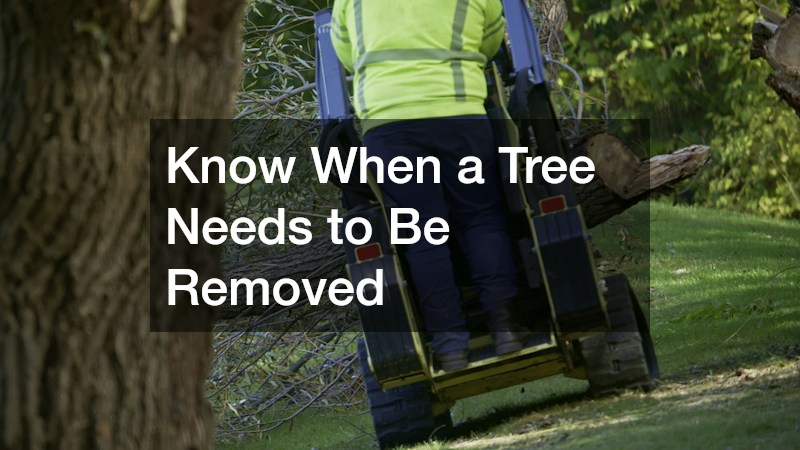
Sometimes maintaining a tree is no longer the appropriate solution. A tree may become severely damaged, decline significantly, interfere with structures, or present a safety concern because of its condition or location.
Tree removal can be a complex project, particularly when a tree is large or positioned near a home, driveway, utility lines, fences, or other structures. Professional evaluation can help determine whether removal is necessary or whether another management option may be appropriate.
Signs that may warrant closer evaluation include significant decay, large dead sections, major trunk damage, substantial leaning, or roots that are causing problems. However, visible symptoms do not always indicate that removal is necessary. The condition of the entire tree and its surroundings should be considered.
Removing a tree can also change the appearance and function of a yard. Before removal, consider how the space will be used afterward. A new planting area, lawn extension, seating area, or other feature may be able to occupy the newly available space.
Stumps should also be considered as part of the project. Depending on the location and future plans for the area, homeowners may want to discuss stump removal or grinding. Addressing the remaining stump can make it easier to maintain the surrounding area and complete future landscaping work.
A thoughtful approach to tree removal can help homeowners make better use of their outdoor space while addressing trees that can no longer remain safely or appropriately on the property.
Giving a yard a fresh new look is an opportunity to make the exterior of a home more attractive, functional, and enjoyable. The most successful updates typically begin with a clear idea of how the space should be used rather than simply adding features without an overall plan. Considering the entire property can make it easier to create a balanced outdoor environment where individual improvements complement one another.
Whether you are making a few updates or planning a comprehensive transformation, the goal should be an outdoor space that works well for the people who use it. By combining practical improvements with thoughtful design choices, homeowners can create a yard that feels more welcoming and better suited to their property. A fresh outdoor space can add character to a home while providing a more enjoyable place to relax, entertain, and spend time outside.