
Choosing to buy a house is not just an ordinary decision – it’s a monumental financial commitment that often entails dreams of longevity, stability, and growth. This elevates the importance of conducting an exhaustive home inspection, a critical step in the home-buying process that can shield you from a slew of potential setbacks. A misstep at this stage by bypassing the inspection could open the doors to numerous unforeseen problems, which can promptly escalate. These issues not only present the risk of unforeseen expenses but can also pose significant safety concerns and lead to a diminution in the value of your property over time.
The paramount nature of a house inspection comes into sharp focus when one considers what it truly encompasses. A home inspection is a detailed examination of a property’s physical condition and a vital educational opportunity for the prospective buyer. This process typically involves checking the functionality and safety of various home components to ensure they meet the desired living standards.
In this article, we serve to expound upon why a comprehensive home inspection is indispensable in safeguarding your financial interests and peace of mind. Additionally, we delve into the key elements that deserve particular attention during this procedural assessment. By the end, you should possess a clearer understanding of the necessary steps to maximizing the benefits of your investment while minimizing unwelcome surprises. Whether you are a first-time buyer or a seasoned property investor, ensuring that your potential new home meets all quality and safety expectations is essential.
1. Why is an Outdoor Kitchen a Significance in Home Inspections?
a. Evaluating Outdoor Kitchen Safety
Outdoor kitchens add aesthetic value and enhance functionality, making them an appealing feature in modern homes. Safety evaluation is paramount, particularly when it comes to the placement of grills and open flames, which pose fire hazards. An inspection ensures that safety protocols are adhered to, helping identify potential risks before they become issues.
b. Understanding Material Quality
The durability of an outdoor kitchen largely depends on the materials used. Inspectors assess whether the components can withstand weather conditions, as subpar materials may lead to premature wear. High-quality materials not only ensure longevity but also add to the property’s overall appraisal.
c. Inspecting Plumbing and Electrical Work
Proper plumbing and electrical installation is crucial for the functionality of an outdoor kitchen. Faulty installations can lead to water damage or electrical hazards, impacting both safety and financial aspects. An inspection checks for compliance with local codes and regulations, ensuring that the system is both legal and safe.
2. Considering Underground Utility Services During Inspection
a. Importance of Locating Utility Lines
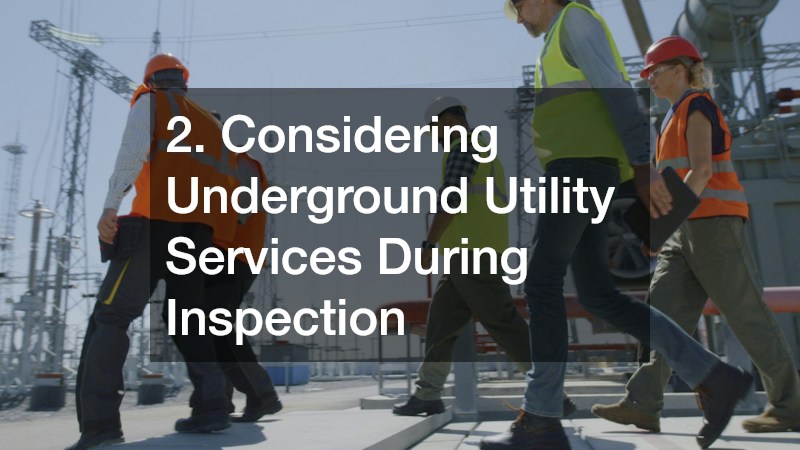
Underground utility services are vital for the effective operation of various home systems, such as electricity and water. Failing to locate these lines can lead to damaging utility infrastructure during renovations or landscaping. Accurate mapping prior to any construction work can prevent potentially expensive repairs and service interruptions.
b. Assessing the Condition of Utility Services
Assessing the state of the underground utility services helps identify any deterioration that could impact daily living. Breakdowns in these essential services can lead to inconvenience and costly repairs. A thorough inspection can predict future issues and plan for timely maintenance or upgrades.
c. Potential Future Issues and Costs
Spotting defects early when inspecting utility services can save homeowners from sudden and substantial expenditures. For instance, an outdated plumbing system may require significant investment in a few years if not addressed promptly. Planning for these contingencies during an inspection empowers homeowners with foresight and financial control.
3. How Can a Local Shed Builder Impact Property Value?
a. Identifying Craftsmanship in Sheds
High-quality sheds built by reputable local shed builders can boost the aesthetic and functional appeal of a property. Inspectors evaluate the craftsmanship to ensure that the construction meets safety standards and complements the property’s landscape. Well-constructed sheds provide additional storage, enhancing the property’s overall functionality.
b. Permits and Zoning Regulations
A local shed builder must adhere to zoning regulations and acquire the necessary permits. Skipping these prerequisites may result in legal complications and devaluing of the property. An inspection verifies compliance, safeguarding the property’s marketability and legality.
c. Utility and Longevity of Installed Sheds
Sheds serve various purposes, from storage to workshops, and their utility depends on their construction. Inspectors assess longevity by examining material quality and structural integrity. Ensuring these attributes can prevent future replacement costs and sustain property value over time.
4. Roof Replacement: Essential Inspection Focus?
a. Signs a Roof Needs Replacement
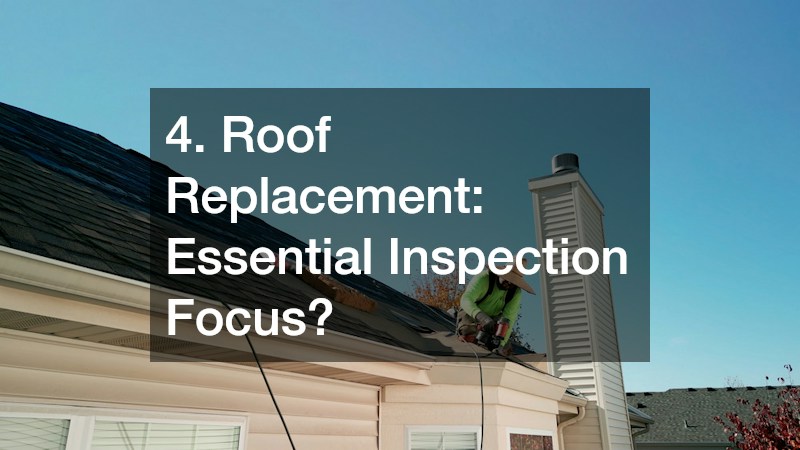
The roof serves as the primary defense against weather elements, and its condition is integral to home safety and comfort. Inspectors look for warning signs such as leaks, damaged shingles, and sagging, which indicate the need for a roof replacement. Addressing these early prevents water damage and energy inefficiency.
b. Impact on Energy Efficiency
A well-maintained roof contributes significantly to a home’s energy efficiency by providing proper insulation. When a roof is compromised, it can lead to increased energy costs as heating or cooling systems work harder to maintain interior climates. Inspections ensure that the roof retains its insulative effectiveness.
c. Cost Implications of Roof Issues
Neglecting roof repairs often leads to expensive large-scale replacements. Proactive replacements can be more cost-effective when factoring in potential damage to interior elements and belongings. By addressing minor issues during inspections, homeowners can better manage their resources and protect their investments.
5. Why Garage Door Installation Matters in Inspections
a. Safety Role of Garage Doors
Garage door installation plays a crucial role in securing the home and providing safe entry and exit points. Inspectors examine safety features such as sensors and emergency release mechanisms to prevent accidents. A properly functioning garage door is vital for ensuring homeowner safety and preventing unauthorized access.
b. Insulation and Energy Considerations
Garage doors contribute to the overall energy efficiency of a home, particularly when they are insulated. Inspections verify this insulation to combat energy loss, which can lead to reduced energy bills. Choosing energy-efficient doors during planning or replacement can significantly impact long-term savings.
c. Modern Garage Doors and Technology
Modern garage doors incorporate technologies such as smart controllers and enhanced security features. Inspections consider these technologies as they enhance convenience and boost the property’s value. Evaluating these modern elements ensures they work correctly and offer the expected benefits.
6. The Benefits of Deck Inspections

a. Structural Integrity and Safety
Decks provide outdoor living space, but their structural integrity must be evaluated for continued safety. Inspections target points of stability, looking for rot and weakness in the deck materials. Ensuring robust construction helps prevent collapse and injury to occupants.
b. Effects on Aesthetic Appeal and Property Value
Decks enhance a home’s visual appeal, playing a key role in its market attractiveness. Inspectors assess design elements and material condition, which are contributors to curb appeal and value. Keeping a deck in peak condition through regular inspections maintains and can even enhance market value.
c. Future Renovation Opportunities
Regular deck inspections can uncover areas for potential enhancement or expansion, aligning with homeowners’ evolving needs. Identifying these opportunities can aid in planning renovations effectively, ultimately increasing satisfaction and property worth. Proactive maintenance avoids potential costs and ensures longevity.
7. What to Know About Basement Contractors During Home Purchase
a. Common Basement Issues to Inspect
Basements often present challenges like moisture accumulation and foundational cracks. It’s essential to address these problems to prevent wider damage and ensure comfort for activities in these areas. Inspectors focus on issues that could impact the longevity and liveability of underground spaces.
b. Assessing Waterproofing and Dampness
Proper waterproofing is critical to avoid dampness, which can lead to mold growth and structural degradation. Inspections check for adequate sealing and drainage systems installed by basement contractors. Maintaining these systems is necessary for basement functionality and health safety.
c. Basement Integrity and Market Value
An intact basement significantly boosts a property’s value, serving as additional living space or storage. Inspectors ensure that the structural integrity meets market expectations and safety standards. Addressing any discrepancies immediately can preserve the value and utility of the space.
8. In Ground Pools: Inspection Considerations

a. Checking for Pool Leakages and Maintenance
In ground pools require meticulous inspection to uncover issues such as leakages, which can drastically increase water bills. Inspectors evaluate the pool surrounds and lining for signs of wear that could lead to leaks. Regular maintenance checks prevent long-term damage and costly repairs.
b. Safety Measures and Legal Compliance
Pool safety is paramount, with implications for liability and legal compliance. Inspections ensure that safety barriers, alarms, and proper signage are in place to protect users and meet legal requirements. An inspection is critical in providing peace of mind regarding the use and safety of the pool area.
c. Cost Considerations of Maintenance and Repair
The maintenance of in ground pools can become a substantial ongoing expense. An inspection helps forecast future costs by identifying necessary repairs and predicting equipment lifespan. Effective insights from inspections enable budgeting for maintenance, potentially increasing pool enjoyment without unnecessary strain.
9. The Role of Patio Contractors in Home Inspections
a. Determining Quality of Installation
Patios extend living space into the outdoors, but the quality of their installation bears heavily on their functionality and longevity. Inspections look at the construction techniques and finish quality by patio contractors. High-quality installations provide resilience against the elements and add to the property’s visual appeal.
b. Impact on Home Aesthetics
Patios influence the overall aesthetics of a home, seamlessly blending natural and architectural elements. Inspectors assess if the patio supports the desired architectural style and enhances landscape flow. A well-installed and maintained patio complements other features, boosting the visual and practical appeal of the home.
c. Check for Structural Issues and Repairs
Regular patio inspections ensure any structural issues, such as shifting pavers or unstable foundations, are identified early. Addressing these issues proactively helps avoid accidents and costly renovations. Timely repairs maintain safety and support the patio’s aesthetic continuance.
10. Demolition Services: When to Consider Them?
a. Evaluating Structural Weaknesses
Demolition services may be necessary when structural weaknesses are too severe for repair or pose potential safety hazards. Inspections help determine if demolition is more cost-effective than continuous repairs. Properly evaluated demolition can mitigate risks and create opportunities for rebuilding or repurposing spaces.
b. Safety and Environmental Concerns
Handling demolition with care addresses both safety and environmental concerns, ensuring that hazardous materials are disposed of properly. Thorough inspection identifies materials like asbestos or lead that require special demolition procedures. Hiring professional demolition services ensures compliance with health and environmental standards.
c. Financial Implications and Planning
The cost of demolition extends beyond mere destruction to rebuilding and possible relocation during the process. Inspections assist in accurately estimating these associated expenses and planning for their financial impacts. Strategic demolition decisions help maximize property potential and mitigate unforeseen costs.
The process of conducting a comprehensive home inspection is an essential step for anyone considering the purchase of a new property. This type of detailed assessment is invaluable as it helps to uncover any potential problems that may exist within a property, which might not be immediately visible to the untrained eye. These findings are crucial for ensuring that prospective homeowners can make well-informed purchasing decisions, allowing them to fully understand the condition of their potential new home before finalizing their investment.
During a home inspection, a wide range of aspects are scrutinized, each offering insights into different facets of the property’s state. These aspects include everything from the physical integrity and functionality of outdoor amenities, such as landscaping, driveways, and patios, to the more hidden but vital elements like the electrical, plumbing, and HVAC systems inside the home. Such systems are critical to the day-to-day comfort and functionality of a home, and any unidentified issues could lead to significant inconvenience or costly repairs down the line.
Skipping these inspections can expose buyers to unforeseen financial and safety risks. Structural issues, hidden water damage, faulty wiring, or plumbing problems are just a few examples of what might go unnoticed without a thorough inspection. By identifying these issues early on, buyers can avoid the expense and stress of unexpected repairs after the purchase is complete.
Moreover, thorough evaluations conducted during a home inspection provide buyers with peace of mind. Knowing that an expert has meticulously examined the property can alleviate concerns, making the transition to homeownership smoother and more enjoyable. This proactive approach not only helps in safeguarding the buyer’s immediate interests but also serves to protect their long-term investment in the property. Overall, a well-conducted home inspection is an essential part of the home-buying process, ensuring that the buyer feels secure and confident in their new home.