Choosing the right fence material isn’t just a design decision. It’s a long-term investment that affects durability, maintenance, privacy, and how well your property holds up against local weather conditions. A fence that thrives in one environment may struggle in another, especially when factors like moisture, heat, soil composition, and seasonal storms come into play. Homeowners often focus on appearance first, but climate compatibility plays a much larger role in how well a fence performs over time. Different regions present different challenges, from salt air and humidity near the coast to extreme temperature swings and heavy rainfall inland. Some yards experience constant sun exposure while others remain shaded most of the day, and these conditions can cause certain materials to warp, rot, fade, or corrode prematurely.
Soil conditions are another major factor that influences fence longevity. Clay soils expand and retain moisture, while sandy soils drain quickly but may not provide strong anchoring support. Poor drainage around posts accelerates deterioration, regardless of material type. Beyond structural concerns, fences should also integrate visually and functionally with the rest of the property. A well-chosen fence complements landscaping, outdoor living areas, and overall property use while supporting goals like privacy, safety, or boundary definition. This guide explores how climate, soil conditions, and maintenance demands affect common fence materials so homeowners can make informed decisions that suit both their environment and lifestyle.
Climate Considerations That Impact Fence Performance
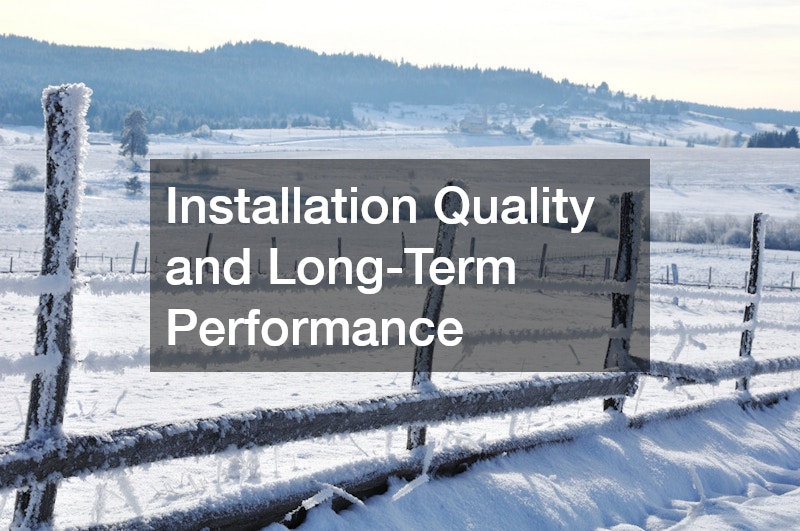
Climate directly influences how fence materials age and respond to stress over time. Temperature extremes, precipitation levels, wind exposure, and seasonal changes all contribute to wear that can shorten a fence’s lifespan if the material is poorly matched to the environment. In colder regions, freeze-thaw cycles cause soil movement that affects post stability, while moisture trapped in materials can expand when frozen, leading to cracks or structural shifts. These issues often develop slowly, making them difficult to detect until repairs are necessary.
Warmer climates present a different set of challenges. Prolonged heat and UV exposure can cause fading, brittleness, and expansion in some materials, while high humidity encourages mold, mildew, and insect activity. Wind exposure also plays a role, particularly in open areas where fences act as wind barriers and experience repeated pressure. Soil composition further complicates performance, since water retention and drainage vary widely between regions. Homeowners should also consider how increasingly unpredictable weather patterns may introduce more extreme conditions than fences were previously designed to withstand.
Selecting a fence material that aligns with local climate conditions helps reduce maintenance demands and prevent premature failure. It is not about choosing the most expensive option, but about selecting a material that performs consistently under the environmental pressures specific to the yard it will serve.
Hardscaping Elements and Ground Stability
Ground stability is one of the most overlooked factors in fence performance, yet it has a major impact on long-term durability. Uneven settling, erosion, and shifting soil can undermine structural integrity, especially in yards with slopes or poor drainage. Incorporating hardscaping elements can help manage these challenges while also improving the appearance of the space. Using pavers around fence posts or along fence lines helps control erosion, improves drainage, and reduces moisture buildup at ground contact points where deterioration often begins.
Properly installed pavers create a firm, level base that supports fence alignment over time. They prevent soil from washing away during heavy rain and help redirect water away from vulnerable areas. In high-traffic zones near gates or walkways, pavers reduce mud accumulation and make routine maintenance easier. They also provide a clean transition between fencing and adjacent outdoor features, contributing to a more polished look.
In yards with elevation changes, pavers are sometimes used to reinforce areas near retaining structures or slopes, reducing movement caused by runoff. This added support helps maintain consistent fence height and spacing, even as seasons change. When thoughtfully integrated, pavers serve both functional and aesthetic purposes, improving fence longevity while enhancing the overall landscape design.
Low-Maintenance Options for Variable Weather
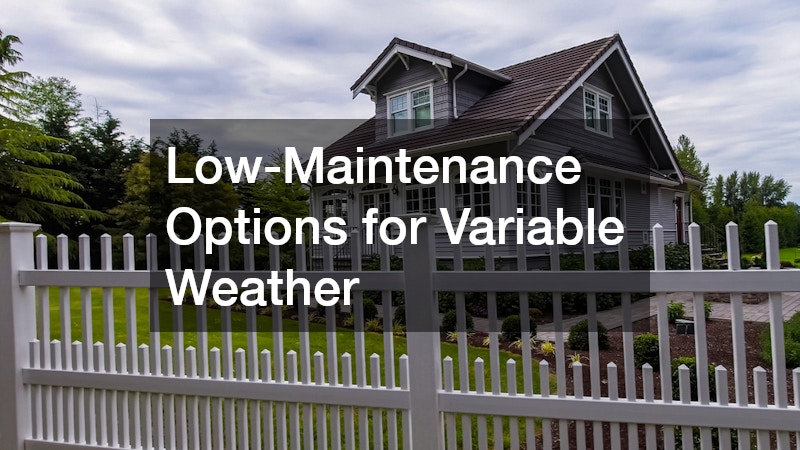
Many homeowners prioritize materials that offer durability with minimal upkeep, especially in climates with frequent rain, humidity, or temperature swings. Vinyl fencing is often chosen for these conditions because it resists moisture absorption and does not rot, warp, or splinter. This makes it well suited for environments where wood fencing would require frequent sealing, staining, or repair. Vinyl fencing maintains its shape and appearance even during seasonal weather changes, reducing long-term maintenance demands.
Another advantage of vinyl fencing is its resistance to insects, which helps preserve structural integrity over time. Unlike wood, it does not attract pests that can cause internal damage. Cleaning requirements are minimal, typically involving occasional washing to remove dirt or mildew. In regions with strong sunlight, vinyl fencing performs well due to UV inhibitors that help prevent fading and discoloration, allowing it to retain a consistent appearance for years.
While the upfront cost of vinyl fencing may be higher than some alternatives, its longevity and low maintenance often offset the initial investment. For homeowners seeking a balance between performance, appearance, and convenience, vinyl fencing provides a reliable solution across a wide range of climates without constant upkeep.
Practical Solutions for Security and Visibility
Some properties require fencing that prioritizes visibility and boundary definition over privacy, particularly for large yards or utility areas. Chain link fencing remains a practical option in these situations because of its adaptability and resilience in different environments. Its open design allows wind to pass through rather than pushing against solid panels, reducing stress during storms and high-wind events. This feature makes it especially useful in exposed areas.
Chain link fencing also performs well in regions with freeze-thaw cycles because it is less likely to crack or shift compared to rigid materials. When finished with protective coatings, it resists rust and corrosion even in humid or wet conditions. Maintenance typically involves checking tension and addressing minor issues rather than ongoing surface treatments.
While chain link fencing may not suit every aesthetic preference, it offers a functional and cost-effective solution for defining property lines, securing pets, or enclosing large spaces. Its durability and ease of repair make it a dependable choice for homeowners focused on practicality and performance.
Installation Quality and Long-Term Performance
Material selection alone does not determine fence longevity. Proper installation plays an equally important role in how well a fence withstands environmental stress. Working with experienced fence installation services ensures posts are set at appropriate depths, spacing is correct, and materials are secured to account for soil conditions and local climate factors. These details significantly affect stability and durability.
Fence installation services understand how frost lines, drainage patterns, and wind exposure influence structural requirements. They can recommend reinforcements or layout adjustments that help prevent leaning, sagging, or shifting over time. Professional installation also helps ensure compliance with local regulations, which may dictate height limits or setback requirements.
In areas prone to severe weather, installation quality becomes even more critical. Secure anchoring and proper alignment help fences absorb stress rather than fail under pressure. Investing in professional installation protects the value of the materials and ensures the fence performs as intended for years to come.
Preparing for Environmental Hazards
Environmental hazards pose serious risks to fencing, particularly in yards surrounded by mature trees. Storm damage from trees is a common cause of sudden fence failure, especially during high winds or heavy rain. Falling branches or uprooted trees can crush panels, bend posts, or compromise entire sections of fencing without warning.
Homeowners should evaluate nearby vegetation when planning fence placement and material selection. Flexible materials may bend rather than break under impact, while rigid structures may sustain more severe damage. Strategic placement that avoids overhanging branches reduces exposure to debris during storms.
Preventive maintenance, such as regular tree trimming, plays an important role in minimizing storm-related risks. By understanding how storm damage from trees affects fencing, homeowners can take proactive steps that reduce repair costs and extend the lifespan of their fence.
Pest Resistance and Structural Integrity
Insects can significantly affect fence durability, particularly in warm or humid climates where pest activity is common. Wood fencing is especially vulnerable, as insects can cause internal damage that weakens posts and rails over time. Coordinating with termite exterminators helps protect fencing materials and surrounding soil from infestations that compromise structural integrity.
Termite exterminators provide treatments designed to deter pests before damage occurs, which is often more cost-effective than repairing or replacing affected sections. Regular inspections help identify early signs of infestation, allowing homeowners to address issues before they escalate.
Even non-wood fencing benefits indirectly from pest management, since insects can alter soil conditions and impact nearby landscaping. Addressing pest concerns as part of a broader property maintenance plan helps ensure fences remain stable and secure over the long term.
Coordinating Fence Choices With Yard Maintenance
Fences interact closely with surrounding yard elements, making maintenance coordination essential. Overgrown grass, plants, and debris can trap moisture against fence materials, accelerating wear. Working alongside lawn care services helps maintain clear boundaries and prevent conditions that lead to deterioration.
Lawn care services manage mowing, trimming, and edging in ways that protect fence lines from constant contact with vegetation. They also help identify drainage or erosion issues that may affect post stability. Adjusting irrigation systems to avoid constant water exposure further protects fence materials. When fencing decisions align with regular maintenance routines, homeowners reduce long-term repair needs. Coordinated care ensures both the yard and fence remain functional and visually appealing throughout the year.
Aesthetic Integration With Outdoor Design

Fences shape how outdoor spaces are experienced, influencing flow, privacy, and visual balance. Collaborating with landscape designing professionals ensures fencing complements plant placement, elevation changes, and overall layout. This integration creates a cohesive environment rather than a collection of separate features.
Landscape designing considers how fences appear across seasons, accounting for foliage changes and lighting conditions. Materials and colors are selected to enhance the yard’s natural features while maintaining visual interest year-round. Thoughtful placement also helps highlight focal points or guide movement through the space.
By incorporating fencing into landscape designing plans, homeowners achieve a balanced outdoor aesthetic that supports both function and curb appeal.
Access Points and Property Security
Gates and access points are critical components of any fence system and must function reliably in all weather conditions. Partnering with local locksmiths ensures hardware is durable, secure, and suited to environmental exposure. Rust-resistant locks and properly fitted hinges reduce long-term issues caused by moisture or temperature changes.
Local locksmiths can recommend locking mechanisms that align with security needs while remaining easy to operate. Proper installation prevents sagging and misalignment, which often cause gates to fail before fence panels do. Reliable access points enhance the overall effectiveness of a fence, making professional input an important part of the planning process.
Fencing often plays a central role in larger outdoor improvement projects. When planning a backyard remodel, fence materials should align with future upgrades and long-term goals. A well-chosen fence supports new features like patios or gathering spaces without requiring constant adjustment. A backyard remodel may alter drainage patterns or exposure, making material selection even more important. Coordinating fencing decisions early in the renovation process prevents conflicts and ensures consistency across the space. Viewing fencing as part of a broader backyard remodel strategy helps homeowners create outdoor environments that are both durable and visually cohesive.
Selecting the right fence material is about more than style or initial cost. Climate, soil conditions, maintenance expectations, and how the fence fits into the overall property all play a role in long-term performance. A well-chosen fence can withstand seasonal changes, reduce repair needs, and continue to serve its purpose year after year without becoming a constant source of frustration. Taking time to evaluate environmental factors before making a decision helps homeowners avoid premature wear and unexpected expenses.
It’s also important to think beyond the fence itself. How it interacts with the ground, nearby vegetation, access points, and future outdoor plans can determine whether it enhances or limits the usability of the yard. Thoughtful planning ensures the fence supports daily activities, improves functionality, and contributes to a cohesive outdoor space rather than feeling like an afterthought.
By understanding how different materials respond to local conditions and how proper planning affects durability, homeowners can make confident choices that align with both their needs and their environment. The result is a fence that looks appropriate, performs reliably, and adds lasting value to the property.