Key Takeaways
- A successful outdoor space improvement project starts with safety-focused planning, including level ground, proper drainage, and slip-resistant surfaces to prevent accidents and long-term maintenance issues.
- Designing clear functional zones helps organize the backyard into areas for play, relaxation, dining, and social gatherings, making it more practical for everyday family use.
- Child-friendly play areas should prioritize visibility, soft surfaces, and age-appropriate equipment to ensure both safety and engagement.
- Durable and weather-resistant materials are essential for long-term usability, especially in high-traffic areas like seating zones, pathways, and play spaces.
- Outdoor lighting plays a critical role in safety and usability, improving visibility while enhancing the overall atmosphere of the backyard during evening hours.
- Storage solutions such as built-in benches, sheds, and weatherproof boxes help keep the space organized and clutter-free, improving both safety and appearance.
- Thoughtful landscaping enhances privacy, defines spaces naturally, and contributes to a more comfortable and visually balanced outdoor environment.
A backyard is more than just an open space behind the house—it is an extension of daily family life. For many homeowners, it becomes a place where children grow up playing, where weekend gatherings happen, and where quiet evenings are spent outdoors after a long day. When designed thoughtfully, a backyard can support both safety and enjoyment, offering a balanced environment where every member of the family feels comfortable.
However, transforming an outdoor area into a family-friendly space requires more than adding a few chairs or planting a garden. It involves planning for safety, durability, usability, and long-term convenience. From selecting the right materials to organizing functional zones, every decision contributes to how well the space performs over time.
This guide explores practical and creative family-friendly backyard renovation ideas that help you build an outdoor environment that is safe, engaging, and built for everyday living.
What Makes a Backyard Truly Family-Friendly?
A family-friendly backyard is designed with all age groups in mind. It supports play, relaxation, and social interaction while minimizing risks and maintenance challenges. Unlike purely decorative landscapes, it focuses on usability and comfort.
Several key elements define a family-centered outdoor space:
- Safety-first design that reduces hazards for children and elderly family members
- Flexible zones that adapt to different activities such as playtime, dining, or relaxation
- Durable materials that withstand weather and frequent use
- Easy maintenance so the space remains enjoyable rather than burdensome
- Visual appeal that creates a welcoming atmosphere for guests and residents alike
A well-planned backyard should feel natural to use. Children should be able to move freely, adults should have comfortable seating areas, and the space should flow logically from one function to another.
When these elements come together, the backyard becomes a living extension of the home rather than an unused outdoor area.
How Do You Build a Safe Foundation for Outdoor Living?
Before focusing on aesthetics or entertainment features, it is important to establish a strong foundation for safety. This step ensures that all other design elements function properly.
Start by evaluating the ground condition. Uneven surfaces, poor drainage, and exposed roots can all pose risks. Leveling the yard and improving drainage helps prevent water pooling and accidents.
Consider the following foundational improvements:
- Install slip-resistant surfaces in high-traffic areas to prevent falls
- Remove sharp landscape edges or replace them with rounded materials
- Ensure proper lighting along walkways and steps
- Create clear boundaries between active and quiet zones
Drainage is especially important in family spaces. Standing water not only damages landscaping but also creates safety hazards for children playing outdoors. Installing proper grading or drainage channels helps maintain a dry and usable environment year-round.
A safe foundation sets the tone for everything else you add later. Without it, even the most beautiful backyard design may fail to function effectively.
Why is Fencing an Important Part of Family Backyard Design?

One of the most overlooked yet essential elements of a family backyard is perimeter protection. A well-designed boundary provides both security and peace of mind, especially for households with young children or pets.
In this stage of planning, many homeowners focus on aesthetics without considering functionality. However, durability, height, visibility, and maintenance requirements all matter significantly when selecting perimeter materials. In fact, choosing the right fence material can influence not only safety but also long-term maintenance costs and privacy levels.
When planning fencing for a family-friendly space, consider:
- Height appropriate for safety without feeling overly restrictive
- Visibility to allow supervision of children playing outside
- Weather resistance suitable for local climate conditions
- Smooth finishes to prevent injuries or splinters
- Secure gate systems with child-safe locks
Different materials offer different benefits. Wooden fences provide a natural look, while metal options offer durability. Composite materials often strike a balance between appearance and maintenance needs.
A well-planned boundary does more than define space—it creates a controlled environment where children can explore freely while remaining safe.
What are the Best Play Areas for Children in the Backyard?
Designing dedicated play zones is one of the most exciting parts of a backyard renovation. These spaces encourage physical activity, creativity, and outdoor engagement.
A successful play area should be visible from the main house or seating areas so adults can supervise easily. It should also use soft, impact-reducing surfaces to minimize injury risks.
Popular ideas for backyard play zones include:
- Small playground sets with slides, swings, and climbing features
- Sandbox areas for creative play and sensory development
- Open lawn spaces for running and group games
- Mini sports courts for basketball or badminton
Adding variety keeps children engaged longer. Instead of limiting them to a single structure, multiple play elements encourage different types of activity.
It is also helpful to rotate or update play equipment as children grow. What works for toddlers may not be suitable for older kids, so flexibility is key.
How Do You Choose Safe Surfaces for Kids and Adults?
Surface selection plays a major role in both safety and usability. Hard concrete may be durable, but it is not ideal for areas where children play. Instead, a combination of materials often works best.
Consider these surface options:
- Soft grass for general play and relaxation
- Rubber tiles for high-impact play zones
- Gravel paths for drainage and aesthetic structure
- Wood decking for dining and lounging areas
Each surface should match its purpose. For example, dining spaces benefit from stable, flat surfaces, while play zones require cushioning materials.
Maintenance should also be considered. Natural grass requires regular care, while artificial turf offers low-maintenance convenience. The right choice depends on how much time you are willing to dedicate to upkeep.
A well-balanced surface design ensures safety without sacrificing functionality or visual appeal.
How Can You Create Comfortable Outdoor Living Spaces?
A family backyard should feel like an outdoor extension of the living room. Comfort is essential to encourage frequent use of the space.
Start by designing seating areas that accommodate different group sizes. This might include a combination of sofas, benches, and movable chairs.
Key elements of a comfortable outdoor living area include:
- Weather-resistant furniture that withstands sun and rain exposure
- Shade structures such as pergolas or umbrellas
- Cushions and textiles designed for outdoor use
- Flexible layouts that allow rearrangement for gatherings
You can also divide seating into zones. One area may be designed for conversation, while another supports dining or relaxation.
Lighting also plays a key role in comfort. Warm lighting creates a welcoming atmosphere for evening use and extends the usability of the backyard beyond daylight hours.
What Role Does Lighting Play in Backyard Safety and Design?
Lighting is often underestimated in backyard design, but it has a major impact on both safety and ambiance. Proper lighting helps prevent accidents while also highlighting key design features.
A well-lit backyard typically includes:
- Pathway lights for safe movement at night
- Motion-sensor lights near entrances and gates
- Accent lighting for trees, plants, and architectural features
- Soft ambient lighting for seating areas
Good lighting design eliminates dark zones where accidents or unwanted activity could occur. It also enhances the visual appeal of the backyard after sunset.
Energy-efficient options such as solar-powered lights are also popular, especially for homeowners looking to reduce electricity costs while maintaining functionality.
How Can You Design Multi-Use Backyard Zones?
Modern family backyards are rarely used for a single purpose. Instead, they function as multi-use environments that adapt throughout the day.
A single backyard might serve as:
- A playground during the afternoon
- A dining area during family meals
- A relaxation zone in the evening
- A social space during gatherings
To achieve this flexibility, zoning is essential. Separate areas using landscaping features, furniture placement, or changes in surface material.
For example:
- Grass areas can serve as play zones
- Decking can function as a dining space
- Gravel paths can connect different sections
- Garden beds can act as natural dividers
This approach ensures that the backyard remains functional without feeling crowded or chaotic.
How Do You Incorporate Storage Without Losing Space?
Storage is often overlooked in backyard design, yet it plays a critical role in maintaining organization. Outdoor equipment, toys, gardening tools, and furniture cushions all need proper storage.
Practical storage solutions include:
- Built-in benches with hidden compartments
- Garden sheds for larger equipment
- Wall-mounted storage for tools
- Weatherproof storage boxes for toys and accessories
The goal is to keep the backyard clean and uncluttered while ensuring items are easily accessible. A well-organized space is safer and more enjoyable for everyone.
How Can Landscaping Improve Family Backyard Usability?
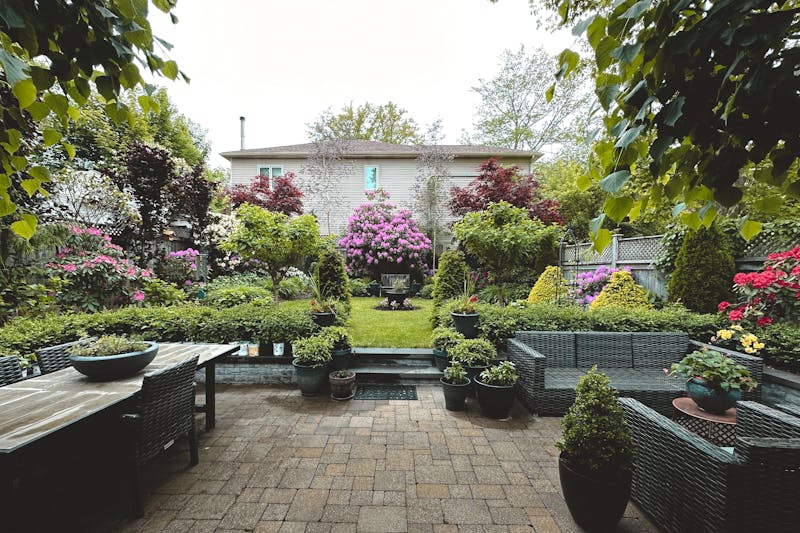
Landscaping is not just about visual appeal—it also influences how the space is used. Strategic planting can define zones, provide shade, and improve privacy.
Consider the following landscaping strategies:
- Use hedges to create natural boundaries
- Plant shade trees near seating areas
- Choose low-maintenance plants for easier upkeep
- Avoid toxic or thorny plants in child-accessible areas
A thoughtful layout improves both function and beauty. It also helps create a calming atmosphere that encourages outdoor relaxation.
What Makes a Backyard Renovation Project Truly Successful?
A successful backyard renovation is one that balances design, functionality, and long-term usability. It is not just about creating a visually appealing space, but about building an environment that supports everyday family life.
Many homeowners underestimate the importance of planning and coordination. Without a clear strategy, even well-intentioned upgrades can become disorganized or inefficient. That is why successful home improvements often depend on careful planning, realistic budgeting, and thoughtful execution.
Key indicators of a successful renovation include:
- The space is safe and easy to use for all family members
- Maintenance requirements are manageable
- The design supports multiple activities
- The backyard remains functional throughout different seasons
When these elements align, the backyard becomes a valuable extension of the home that enhances both lifestyle and property value.
How Do You Plan a Backyard Renovation on a Budget?
Budgeting is a critical part of any renovation project. Without proper planning, costs can quickly escalate beyond expectations.
Start by prioritizing essential upgrades such as safety features, drainage, and structural improvements. Once these are complete, you can move on to decorative elements.
Helpful budgeting tips include:
- Reusing existing materials where possible
- Completing the project in phases instead of all at once
- Comparing material costs before making final decisions
- Focusing on high-impact upgrades first
A phased approach allows you to spread costs over time while still making consistent progress toward your ideal backyard.
Conclusion: Creating a Backyard That Grows With Your Family
A family-friendly backyard is more than a design project; it is an investment in lifestyle, safety, and long-term enjoyment. When thoughtfully planned, it becomes a place where memories are created, relationships are strengthened, and daily life feels more connected to nature.
From safe play areas to comfortable seating zones, every detail contributes to a space that supports real family living. With the right planning and design choices, your backyard can evolve alongside your household, adapting to new needs over time while maintaining its core purpose: bringing people together outdoors.