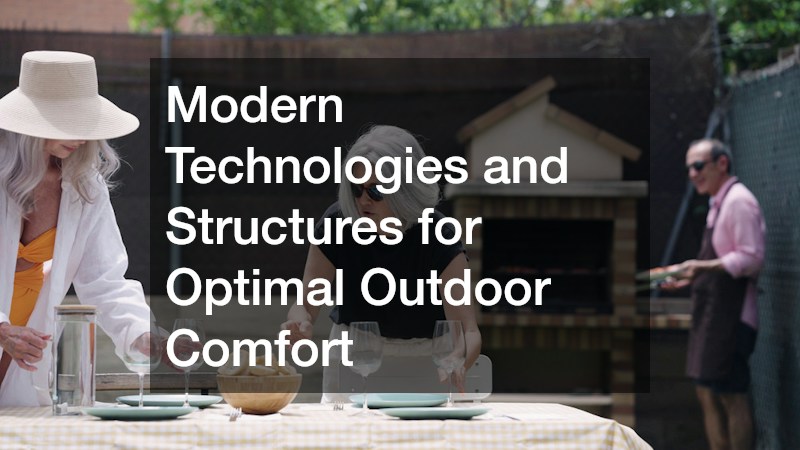
The concept of the backyard has transformed significantly in recent years. Historically, these spaces were simple extensions with a concrete slab, a grill, and some folding chairs. Today, they have evolved into functional, technology-enabled extensions of the home, designed to rival the comfort and appeal of interior living rooms. The main challenge with traditional exterior spaces is their vulnerability to weather conditions. Without proper planning, a backyard is at the mercy of rain, heat, or wind, limiting its usability to just a few temperate days each year. Additionally, maintaining these areas can be an ongoing chore. The solution lies in merging architectural design with smart technology. By integrating automated weather protection, intelligent maintenance systems, durable structures, and advanced lighting, homeowners can create a year-round sanctuary, optimizing exterior spaces for comfort and convenience.
Harness Motorized Systems for Responsive Weather Protection
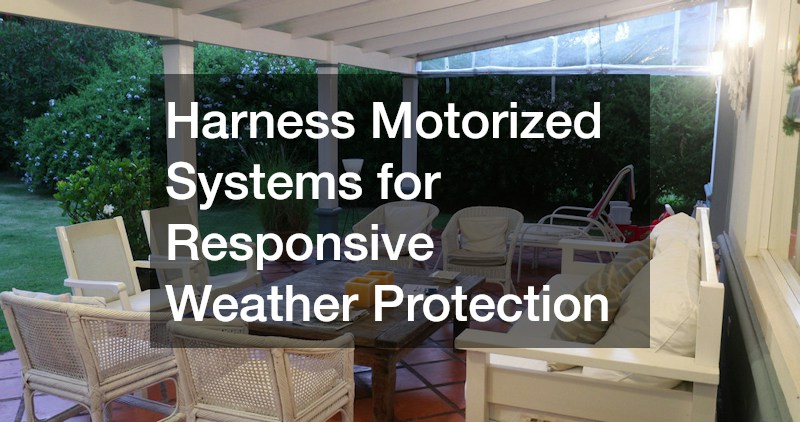
To truly maximize the usability of an exterior living space, you must first address the unpredictable nature of the climate. The most effective way to achieve this is by installing responsive, motorized overhead structures. Modern louvered pergolas are an incredible advancement in this arena. Constructed from extruded aluminum, these structures feature motorized roof panels that can be adjusted with a smartphone application or remote control. When the sun is bearing down, the louvers can be angled to provide complete shade while still allowing hot air to escape upward. More impressively, when integrated with smart weather sensors, these systems become entirely autonomous. Built-in rain sensors will detect the first drops of a storm and automatically rotate the louvers completely shut, creating a watertight ceiling that protects your electronics, seating, and guests. Wind sensors, or anemometers, can also detect dangerous gale-force gusts and adjust the louvers to a safe angle to prevent structural damage.
Beyond the roof, controlling the angle of the sun as it sets is crucial for evening comfort. Low-angle sunlight can cause blinding glare and rapidly heat up a dining area, making it incredibly uncomfortable.
- Integrate Smart Vertical Shading: To combat severe afternoon glare, automated vertical drops are highly effective. Installing high-quality patio blinds along the perimeter of your covered structures allows you to completely enclose the space at the touch of a button. These can be synced with smart home hubs to lower automatically during peak sun hours, which keeps the immediate seating area incredibly cool and protects your expensive exterior textiles from harsh ultraviolet fading.
- Utilize Retractable Fabric Solutions: For areas where a permanent roof structure is not feasible, such as over an open deck or a sprawling poolside dining zone, retractable fabric solutions offer unmatched flexibility. Modern motorized awnings can be extended or retracted based on the immediate needs of the moment. With app-controlled integration, users can create customized shading schedules based on the sun’s daily trajectory across their specific property.
- Actionable Takeaway: When sourcing any motorized shading solutions, always prioritize powder-coated aluminum frames and marine-grade, solution-dyed acrylic fabrics. This ensures that the moving parts and the shading materials will withstand the local climate for years without rusting, tearing, or degrading in the sun.
Automate Your Watering Schedule for a Lush, Low-Maintenance Yard
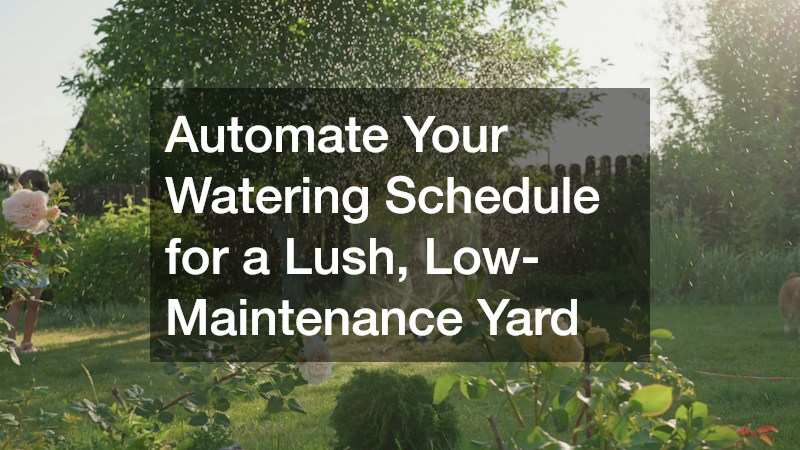
A truly comfortable exterior environment relies heavily on the aesthetic and cooling properties of surrounding lush vegetation. However, maintaining that greenery can easily become a full-time job without the intervention of smart technology. The days of manually turning on a hose or relying on outdated, rigid sprinkler timers are over. Today’s smart water management systems take the guesswork out of hydration, ensuring that your plants receive exactly what they need, exactly when they need it, without wasting a single drop of water.
The foundation of a high-tech yard is a Wi-Fi-enabled controller. These intelligent devices connect to local meteorological stations via the internet to pull real-time weather data. If rain is forecasted in your specific zip code, the controller will automatically skip the scheduled watering cycle. Conversely, during a prolonged dry spell or a sudden heatwave, the system will increase the watering duration to ensure the flora does not suffer from drought stress.
- Implement Drip Systems for Targeted Hydration: Overhead spray sprinklers are notoriously inefficient, losing vast amounts of water to evaporation and wind drift. Instead, micro-irrigation conserves resources by delivering moisture directly to the root zone of the plant. This targeted approach also keeps the foliage dry, which drastically reduces the risk of fungal diseases and mildew. It is highly recommended to consult with top-rated irrigation companies to design an efficient underground grid tailored perfectly to your yard’s specific layout and soil type.
- Plan Seasonal Flora Rotations Using Data: To further optimize your yard, consider installing smart soil sensors. These small, battery-operated probes are pushed into the earth to monitor moisture, soil temperature, and even nutrient levels, sending the data directly to your smartphone. You can then share this precise environmental data with a premium landscaping service to help you curate a resilient, low-maintenance plant palette that is practically guaranteed to thrive in your yard’s unique microclimate.
- Actionable Takeaway: Group your plants into “hydro-zones” when designing your garden beds. By planting species with similar water requirements on the same valve circuit, your smart watering system can run at peak efficiency, preventing the overwatering of drought-tolerant shrubs while ensuring thirsty flowers get the deep soaking they require.
Invest in Ergonomic and Weather-Resistant Elements for Year-Round Use
Technology can only take you so far if the physical elements of your space are uncomfortable or deteriorating. Creating a luxurious exterior living area requires the same attention to ergonomics, spatial flow, and material durability as a high-end interior renovation. The furniture and built-in structures you choose serve as the physical foundation of your comfort, and they must be engineered to withstand constant exposure to ultraviolet rays, moisture, and extreme temperature fluctuations without sacrificing aesthetic appeal.
When selecting seating, the internal construction is just as important as the exterior fabric. Standard upholstery foam acts like a sponge, holding onto water for days after a rainstorm and eventually cultivating mold. Instead, seek out cushions filled with reticulated quick-dry foam, which features an open-cell structure that allows water to drain straight through.
- Prioritize High-Performance Materials: The structural frames of your seating must be equally resilient. Avoid untreated woods or cheap hollow plastics. Instead, seek out durable frames made from marine-grade polymer, powder-coated aluminum, or sustainably sourced teak, which naturally repels water and insects. Visiting specialized outdoor furniture stores allows you to physically test these ergonomic designs and experience the comfort of high-performance materials firsthand, ensuring you are investing in pieces that offer both luxury and longevity.
- Design Multi-Functional Zones for Flow: A well-designed space should feel organized and purposeful. Break down your yard into distinct zones—a dining area, a relaxed lounging sector, and a dedicated cooking space. Use large exterior rugs or subtle changes in paving materials to visually separate these areas while maintaining a cohesive overall design aesthetic.
- Actionable Takeaway: To truly extend the usability of your patio into the freezing winter months, integrate built-in climate control. Flush-mounted infrared ceiling heaters provide immediate, sun-like warmth that isn’t blown away by the wind. For complex installations like built-in exterior kitchens, stone retaining walls, and custom gas fire pits, it is crucial to hire experienced outdoor living contractors who can ensure these heavy architectural elements are properly scaled, safely constructed, and structurally sound.
Layer Smart Lighting and Safely Route Power for Entertainment Zones
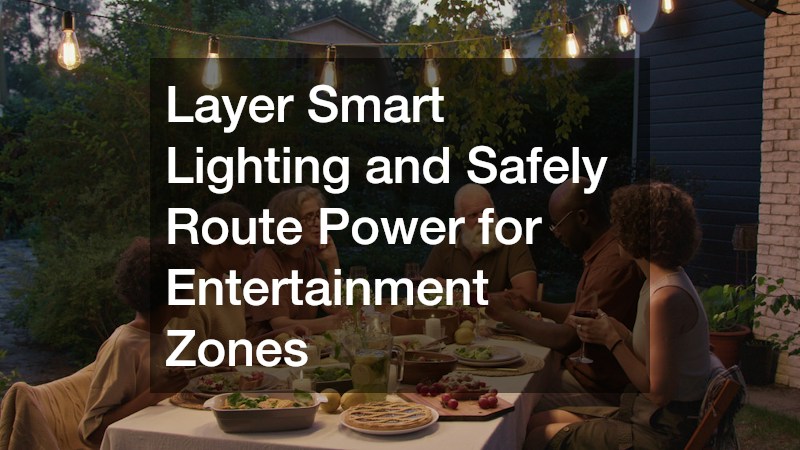
Lighting is the ultimate mood-setter. Once the sun goes down, a poorly lit yard becomes completely unusable, while a harsh, over-illuminated patio feels like a commercial parking lot. The key to optimal evening comfort is implementing a multi-layered, low-voltage lighting scheme that can be controlled and automated via smart home technology. By utilizing smart LED systems, homeowners can dim the intensity, change the color temperature from a crisp cool white to a warm amber, and set automated schedules based on the precise minute of sunset in their geographic location.
A proper lighting design should incorporate three distinct layers. Task lighting is essential around cooking and preparation areas to ensure safety while grilling. Ambient lighting provides a soft, general glow over seating and dining zones, often achieved through dimmable overhead pendants or elegant string lights. Finally, accent lighting adds drama and depth by illuminating architectural columns, highlighting the textured bark of mature trees, or casting a soft wash over a cascading water feature.
- Establish Secure Boundaries with Integrated Tech: The perimeter of your property plays a massive role in overall comfort and peace of mind. Modern boundaries can do much more than simply block the wind or keep pets contained. Premium local fence installations can be custom-designed with hollow posts to house integrated low-voltage lighting wires, smart gate locks, and discrete security cameras, providing absolute privacy and safety without looking utilitarian or industrial.
- Future-Proof the Space with Ample Power: A high-tech exterior space requires a massive amount of electricity. Running motorized pergolas, high-wattage infrared heaters, Wi-Fi mesh extenders, and full exterior kitchens requires robust, dedicated circuits. It is absolutely imperative to hire a licensed local electrician to calculate your total amperage needs, upgrade your main electrical panel if necessary, safely bury all conduits below the frost line, and install weatherproof, GFCI-protected outlets exactly where you need them.
- Actionable Takeaway: Always map out your absolute dream entertainment setup before you break any ground. It is incredibly expensive and frustrating to tear up a freshly poured concrete patio or a finished deck just to run an extra electrical wire you forgot about. Lay down extra empty conduit pipes during the initial construction phase to future-proof your yard for technologies you might want to add five years from now.
Protect Your Tech by Managing the Canopy and Ground Cover

The final piece of the puzzle in creating an optimal exterior living space is managing the organic elements that surround your new technology and structures. The most advanced motorized pergola or intelligent lighting system in the world will quickly fail if it is constantly battered by falling branches, clogged with debris, or smothered in dust. Therefore, meticulous management of your property’s canopy and ground cover is a required maintenance step to protect your financial investment and ensure your automated systems function flawlessly.
Overhead vegetation poses a significant threat to modern hardscapes. Overgrown tree branches can swing violently during a storm, denting aluminum louvers or shattering expensive heating elements. Furthermore, certain tree species constantly drop sticky sap, acidic berries, or heavy pollen that can stain marine-grade fabrics and permanently foul the delicate mechanical tracks of motorized shading systems.
- Maintain Safe Clearances Around Overhead Structures: To prevent organic damage, it is vital to maintain a clear perimeter above your primary seating zones. Scheduling routine, professional tree care is highly recommended to safely prune heavy, overhanging limbs, remove dead wood that could become dangerous projectiles during high winds, and thin the upper canopy to allow more natural sunlight to reach your solar-powered path lights.
- Foster Resilient Turf to Withstand High Traffic: Upgrading your patio naturally draws more people outside, which drastically increases the foot traffic on the surrounding grass. Compacted soil and worn-out turf not only look unappealing but also turn into a muddy mess after a rainstorm. Establishing a tailored, year-round program with a professional lawn fertilizing service will provide your grass with the seasonal, slow-release nutrients and deep core aeration it needs to establish deep roots, ensuring the turf recovers quickly from backyard parties and heavy use.
- Actionable Takeaway: Use organic mulch and deep edging around your garden beds to manage dust control. Exposed, dry soil is easily picked up by the wind, blowing a fine layer of abrasive dirt into your exterior entertainment tech. By keeping the ground cover heavily mulched and properly edged, you actively prevent this debris from interfering with television screens, security camera lenses, and the internal gears of your smart home systems.
Achieving the ultimate standard in backyard luxury requires more than simply purchasing a high-end grill or laying down a new patio. True comfort in an exterior space is realized when robust, weather-resistant structures are paired with intelligent automation and supported by a meticulously maintained landscape. By integrating automated shading, precision hydration systems, ergonomic design, and layered illumination, you can neutralize the elements that typically drive people back indoors. Investing in these interconnected systems elevates your quality of life, adding valuable, usable square footage to your residence regardless of the season or forecast. By bridging indoor convenience and outdoor tranquility, you create an environment catering to both relaxation and entertainment. Evaluate your property’s most frustrating pain point—whether it’s intense heat, manual watering, or a lack of evening ambiance—and begin implementing these solutions one step at a time to build your technologically advanced retreat.